The Ceremonies
the Hindu Ceremony
Under the mandap, around a small sacred fire, with a priest guiding every step. The rituals change by region and family, and the heart of it stays the same.
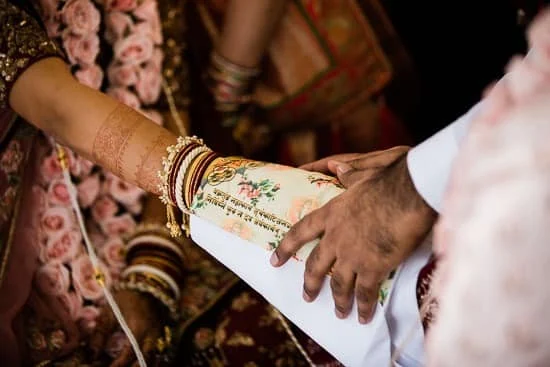
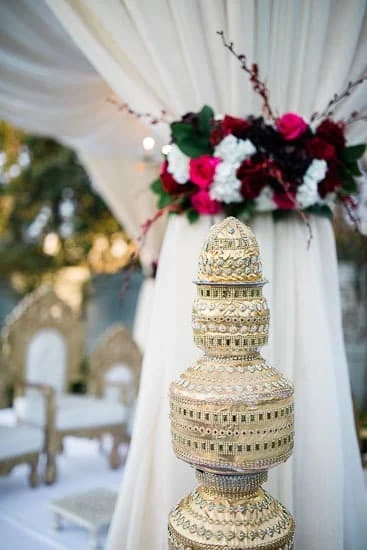
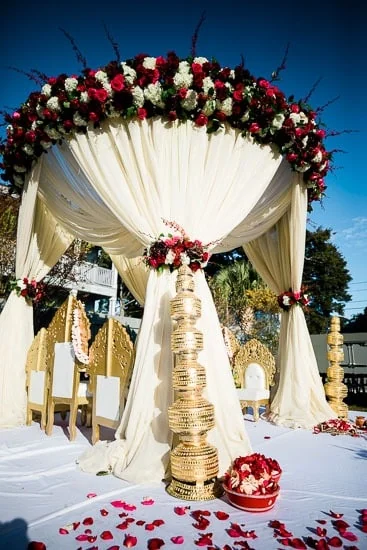
The Mandap And The Fire
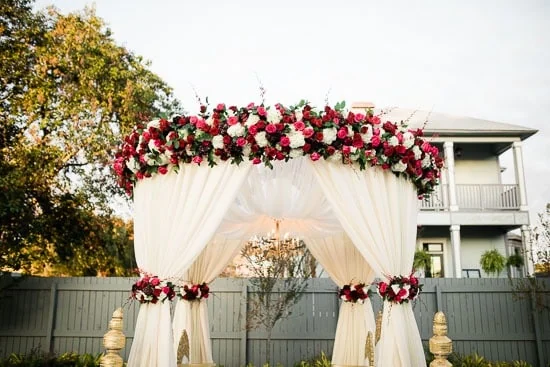
A Hindu wedding usually takes place under a mandap, a canopy on four pillars. The couple, their parents and the priest sit inside it, often around a small fire called agni, which is treated as the witness to the marriage. The priest chants in Sanskrit and explains the steps, and many Atlanta priests explain in English too, so guests can follow.
The fire matters for planning. Most venues want to know about any open flame. Chateau Elan publishes that fire rituals such as puja, homa or yajna are permitted with advance approval. Ask every venue how they handle the havan, whether they need a fire safety attendant, and whether the fire can be indoors.
The time is often chosen by the family priest as an auspicious window, called a muhurat. That time can land in the morning, the afternoon or late at night, so get it before you build the rest of the day.
Under The Mandap
A Hindu ceremony is long and every minute means something. I want to see every hand that touches the fire.
The Steps, In A Common Order
No two Hindu weddings run exactly alike. North Indian, Gujarati, Bengali, Telugu, Tamil and Nepali ceremonies each have their own rituals and names. Many include some form of these.
- Ganesh puja, a prayer to remove obstacles, at the start.
- The bride's entrance, often carried or walked in by her brothers or uncles.
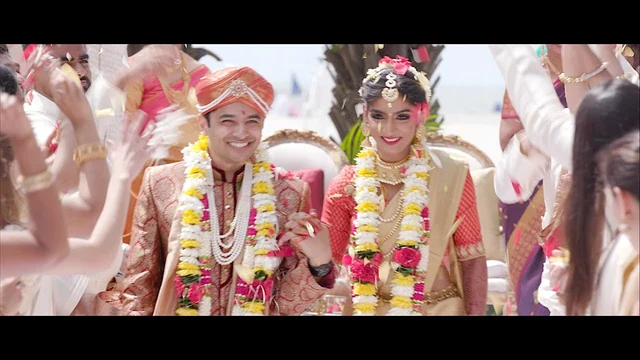
- Jaimala or varmala, the exchange of flower garlands.
- Kanyadaan, when the bride's parents give her hand to the groom.
- Hastmilap or panigrahan, the joining of hands.
- The pheras, when the couple walks around the fire, four times in many Gujarati ceremonies and seven in many North Indian ones.
- Saptapadi, seven steps or vows taken together.
- Sindoor and mangalsutra, the red powder in the bride's parting and the sacred necklace.
- Ashirvad, blessings from elders, often with rice or petals.
Your priest will give you the order for your family. Send it to me and to your planner.
Talking With Your Priest
Your priest shapes the whole ceremony, so meet early and ask a lot of questions. Every priest has their own order and their own pace, and many will shorten or explain steps for guests if you ask.
- How long will the ceremony take, and which steps can be shortened?
- Will they explain the steps to guests in English as they go?
- What will they bring, and what does the family need to provide?
- How big a fire do they need for the havan, and what do they use?
- Where should the family, the couple and the photographer stand?
- Is the muhurat, the auspicious time, fixed, and how should the day be planned around it?
Share the venue's fire rules with the priest before the day. Some venues allow an open havan indoors, some want it outdoors, and some ask for a smaller contained fire. Knowing early means nobody is negotiating at the mandap.
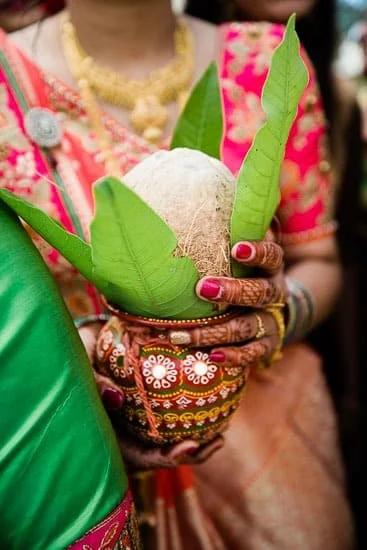
South Indian Ceremonies
Telugu and Tamil ceremonies have their own beautiful rituals. Many Telugu weddings include jeelakarra bellam, a paste of cumin and jaggery placed on each other's heads at the muhurat, and talambralu, when the couple showers each other with rice. Many Tamil weddings include the kashi yatra, maalai maatral, the garland exchange, the oonjal swing and the tying of the thali. South Indian muhurats are often in the early morning.
The traditions by region page walks through more of these, with the caution that every family and priest does it a little differently.
Helping Guests Follow Along
Many guests at an Atlanta Hindu wedding have never seen one, and even guests who have may not know what each step means. A little guidance turns a long ceremony into one people feel part of.
A printed program with a short line for each step works well. Name the step, say what it means in plain words, and keep it to one page. Some couples set up a small screen with the same notes, or ask a cousin to stand near the guests and explain quietly. Others ask the priest to speak in English between the Sanskrit passages.
Comfort matters too. Outdoor ceremonies in Georgia summer get hot, so offer water, fans and shade. Seat elders in front where they can see the mandap. Tell guests what to wear and whether they will be asked to remove shoes. And let them know when it is fine to stand up, take a photo, or step out, so nobody feels lost during a ceremony that can run an hour or more.
A Sample Ceremony Day
- Morning
Getting Ready
Bride and groom dress, details, and a first look if the family is open to it.
- Before
Baraat And Welcome
The groom arrives, the bride's family welcomes his family at the entrance.
- Ceremony
Under The Mandap
Ganesh puja, jaimala, kanyadaan, pheras, saptapadi, sindoor and blessings.
- After
Family Photos
Both families in the mandap, then the couple alone while the decor is still perfect.
Who Does What
A rough guide to who is usually in the mandap. Your priest will tell you the roles in your family.
| Role | Usual Part In The Ceremony |
|---|---|
| Priest | Leads the rituals, chants and explains each step |
| Bride's parents | Kanyadaan and many offerings to the fire |
| Groom's parents | Blessings and offerings, seated near the mandap |
| Bride's brothers | Often help with the laja homa, puffed rice offerings |
| Bride's sister and friends | Often hide the groom's shoes for ransom |
| Elders | Ashirvad, blessings at the end |
From Behind The Camera
How I Photograph A Hindu Ceremony
I ask the priest before the ceremony where I may stand and whether I may step onto the mandap platform. Most say yes with care, and some do not. I work from the sides and the back of the mandap with a long lens, so the guests see the couple, not me. The fire gives a warm light on faces, and I let it.
The moments I never miss are the garland exchange, the first phera, the sindoor, and the faces of the parents during kanyadaan. Tell me any ritual special to your family and I will plan for it.
Questions Couples Ask
How long is a Hindu wedding ceremony?
Often one to three hours, depending on the tradition and the priest. Ask your priest for a shortened version if your timeline is tight.
Can the sacred fire be indoors?
Some venues allow it with approval, others require it outside or in a contained dish. Ask the venue, and ask about a fire safety attendant.
How many pheras are there?
Many North Indian ceremonies have seven, and many Gujarati ceremonies have four. Your priest and family tradition decide.
Do we need a marriage license for a Hindu ceremony in Georgia?
Yes, for the marriage to be legal. Get a Georgia marriage license from a county probate court. See the marriage license page.
Where can we find a priest in Atlanta?
Many families ask their own temple. The Hindu Temple of Atlanta lists marriage among the ceremonies its priests perform. See temples and gurdwaras.